
International Baccalaureate Primary Years Programme

Golden Grove Lutheran Primary School is an International Baccalaureate (IB) World School, authorised to teach the Primary Years Programme (PYP).
What is an IB PYP School?
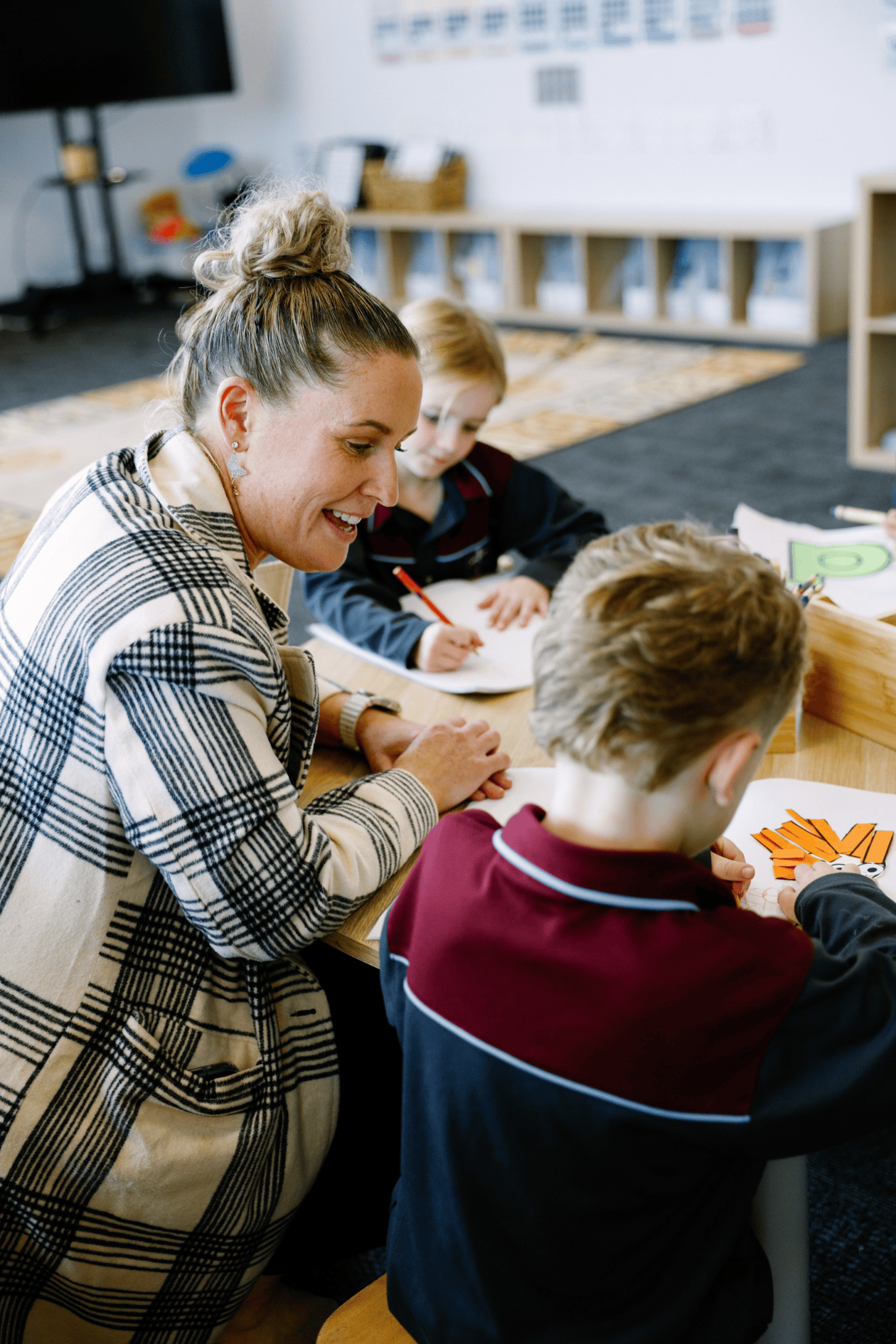
At Golden Grove Lutheran Primary School, we believe education is about more than acquiring knowledge. It is about nurturing curious, compassionate and capable learners who are empowered to make a positive difference in their world.
As an IB World School, teaching and learning at Golden Grove Lutheran Primary School is guided by the Primary Years Programme (PYP), an internationally recognised curriculum framework that places students at the centre of their learning.
Through a concept-driven, inquiry-based approach, students are encouraged to ask questions, explore ideas, think critically and develop a deeper understanding of themselves, others and the world around them. Learning experiences are meaningful, connected across subject areas and grounded in real-world contexts, empowering students to apply their knowledge, skills and understanding in purposeful ways.
Central to the PYP is the development of the IB Learner Profile, which fosters attributes that support students to become thoughtful, compassionate and internationally minded individuals.
Through inquiry, collaboration and purposeful action, we empower students to become confident, capable and lifelong learners who recognise their potential to make a positive difference in the world.
Learner Profile
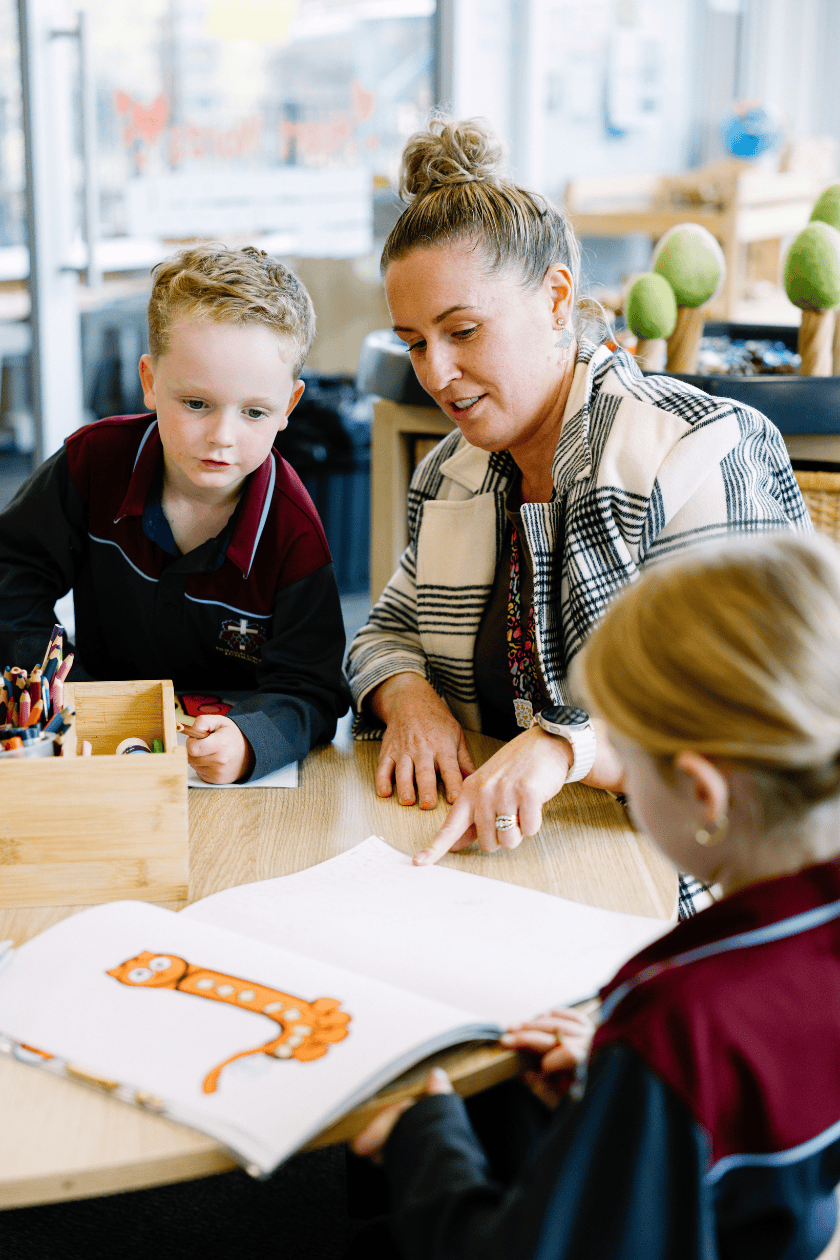
 The International Baccalaureate® (IB) learner profile describes a broad range of human capacities and responsibilities that go beyond academic success. They imply a commitment to help all members of the school community learn to respect themselves, others and the world around them.
Golden Grove Lutheran School is committed to the development of students according to the IB learner profile. We strive for our learners to be:
- Inquirers
- Knowledgeable
- Thinkers
- Communicators
- Principled
- Open-minded
- Caring
- Courageous
- Balanced
- Reflective
These attributes promote academic rigor and help the student to achieve and experience social-emotional, behavioural, intellectual well-being and international mindedness.
Click here to read about the IB learner profile (PDF, 1.5 MB) in more detail
Primary Years Programme (PYP)

Through the PYP, students develop an understanding of important concepts, acquire essential skills and knowledge, develop attitudes and learn to take socially responsible action. These essential elements are intentionally addressed throughout the teaching and learning programme.
Transdisciplinary Learning
Transdisciplinary learning in the PYP conveys learning that has relevance between, across and beyond subjects and transcends borders connecting to what is real in the world.
The PYP offers a transdisciplinary framework that:
- Has global significance
- Is authentic and engaging
- Is deep
- Is cohesive
- Is connected
- Is relevant and current
The framework includes 4 transdisciplinary units of inquiry in Foundation and 6 units in Years 1 to 6. These are based on 6 transdisciplinary themes:
- Who we are
- Where we are in place and time
- How we express ourselves
- How the world works
- How we organize ourselves
- Sharing the planet
Within these themes, the Australian Curriculum is learnt, offering students the opportunity to grow in the PYP elements of knowledge, conceptual understandings, skills, dispositions and action.
Concepts
We live in an ever-changing world and students need to be able to view the world with flexibility. Through concept based learning, students learn about transferrable ideas that transcend time, place and situation. Concepts allow for engagement with deeper thinking which move students past knowledge into understanding.
The PYP outlines a range of fundamental concepts. They are expressed as key questions propelling the process of inquiry. These universal concepts drive the research units—called UNITS OF INQUIRY (UOI)
The specified concepts are:
- Form: What is it like?
- Function: How does it work?
- Causation: Why is it like it is?
- Change: How is it changing?
- Connection: How is it connected to other things?
- Perspective: What are the points of view?
- Responsibility: What is our responsibility?
Approaches to Learning
Skill development is recognised as an important part of the programme. These skills are developed in an authentic way through the units of inquiry.
Learners develop:
- Thinking skills
- Communication skills
- Social skills
- Research skills
- Self-Management skills
These “Approaches To Learning” (ATLs) are skills, strategies and attitudes which are designed to help students learn how to learn. Our approach is for teachers and students to work together to support self-regulated learning.
Approaches to Learning (ATLs) are embedded implicity into our classroom culture. They develop and shape our students’ attitudes towards learning. This enables our students to work to co-construct knowledge with their peers and teachers. The students and teachers connect their approaches to learning with their approaches to teaching, to create and foster a social-constructivist environment.
The ATLs are woven into the attributes of the Learner Profile and support learner agency, thus creating a rich, holistic and reflective learning experience. The skills our students develop provide a solid foundation for learning throughout their lives.
PYP Exhibition
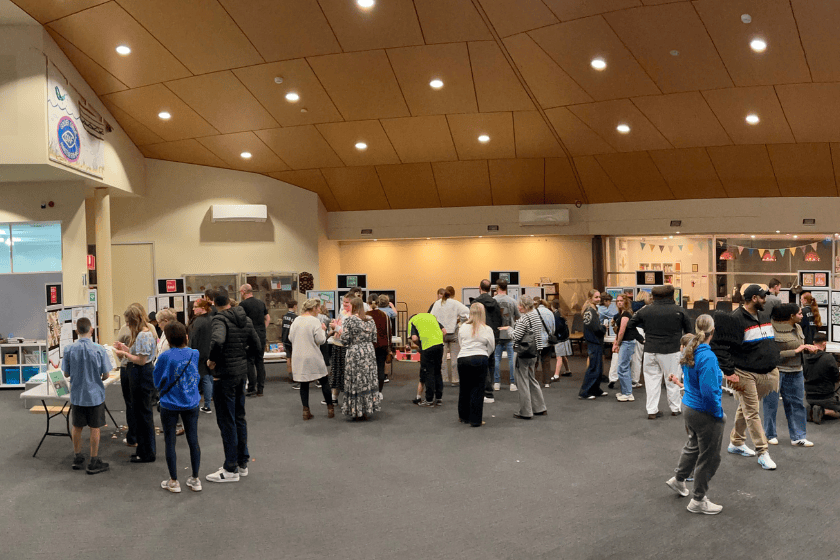
 In Year 6, students participate in the PYP Exhibition, a significant milestone that celebrates the culmination of their learning journey through the Primary Years Programme. Working collaboratively, students undertake an extended, in-depth inquiry into real-world issues and challenges that matter to them.
Drawing on the knowledge, skills and understandings developed throughout their PYP journey, students take ownership of their learning as they investigate issues from different perspectives and explore opportunities to take meaningful action. These inquiries often connect to local and global challenges, including the United Nations Sustainable Development Goals.
Students share their learning, discoveries and actions with the school community, celebrating their growth as confident, reflective and internationally minded learners as they prepare for the next stage of their education.